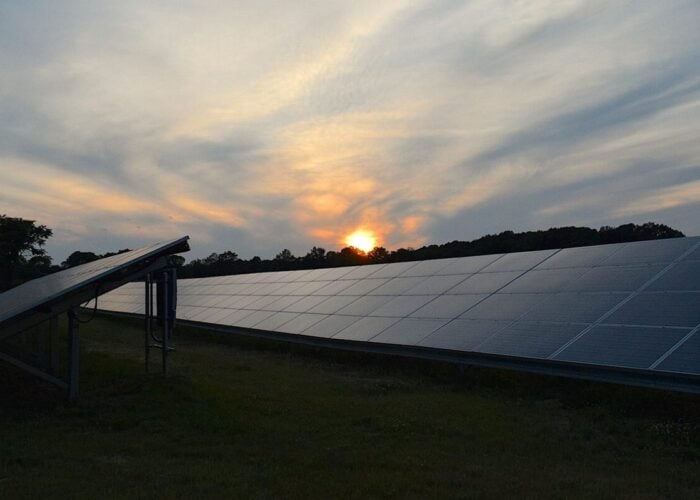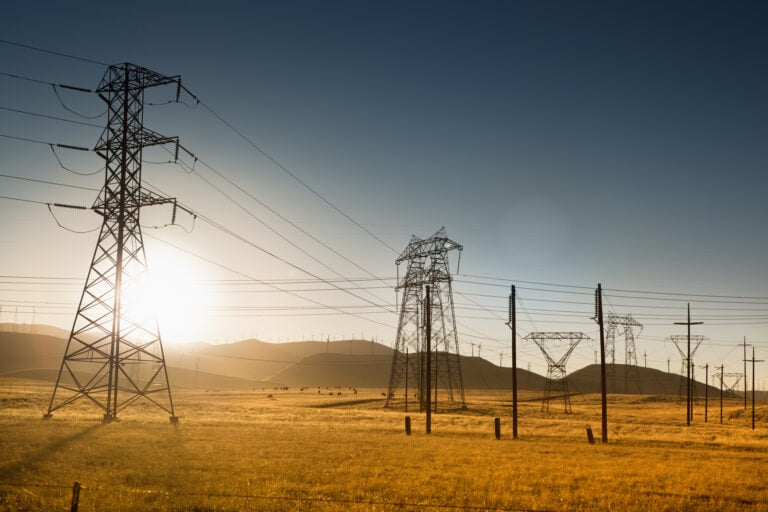
The California Public Utilities Commission (CPUC) has approved requests made by utilities in the state to allow solar and storage facilities to use Limited Generation Profiles (LGPs) to connect to the state’s grid without paying for grid infrastructure upgrades.
An LGP is an energy export schedule that aims to manage the supply of electricity to the grid so that a grid’s hosting capacity, the amount of power it can accept from generation facilities, is not exceeded.
Try Premium for just $1
- Full premium access for the first month at only $1
- Converts to an annual rate after 30 days unless cancelled
- Cancel anytime during the trial period
Premium Benefits
- Expert industry analysis and interviews
- Digital access to PV Tech Power journal
- Exclusive event discounts
Or get the full Premium subscription right away
Or continue reading this article for free
Effective use of LGPs is particularly relevant for renewable power and storage projects, where the variable generation of electricity needs to be stored and released to the grid, and the use of LGPs in California will help more renewable producers export power to the grid.
“Now, by taking into account the grid conditions at their proposed project site, and designing an export schedule based on those conditions, project developers have a means to avoid potentially costly grid upgrades,” wrote the Interstate Renewable Energy Council (IREC), a non-profit that has lobbied in support of the adoption of LGPs, in response to CPUC’s decision.
“Not only will this save money for individual developers and customers, it will also enable the grid to accommodate significantly higher levels of renewable energy at a lower overall cost.”
California utilities are required to produce hourly models of power generation capacity as part of the Integration Capacity Analysis system. This scheme helps provide detailed data on energy exports, and was the basis for CPUC’s approval of a “24-value configuration,” which means that a system’s export levels can be changed up to 24 times a year, based on fluctuations in power demand.
While the CPUC did not approve all of the recommendations, most notably the alignments of the 24-value formats with hourly time periods that would have allowed more precise power supply variations during daily peak supply times, IREC said that it “commends the decision overall”.
The proposals were submitted by the Pacific Gas and Electric Company, Southern Edison Company and San Diego Gas & Electric Company, utilities that serve around 24 million customers in California. CPUC has been considering the proposals since 2022, and the decision follows growing interest in updating California’s grid infrastructure, with around US$370 million in new grid investment required in the state.