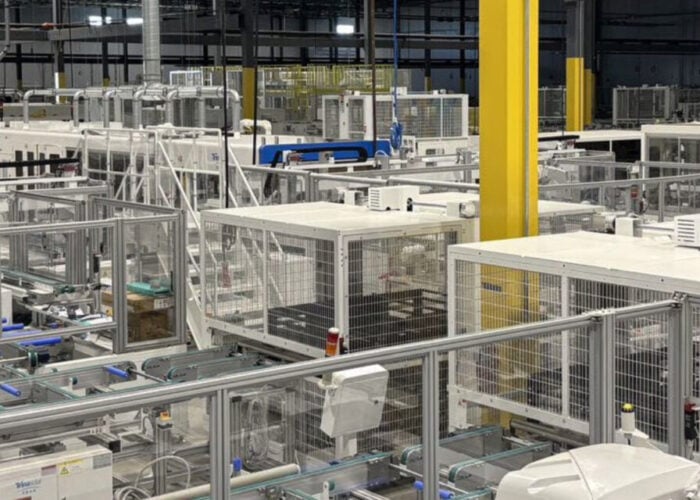
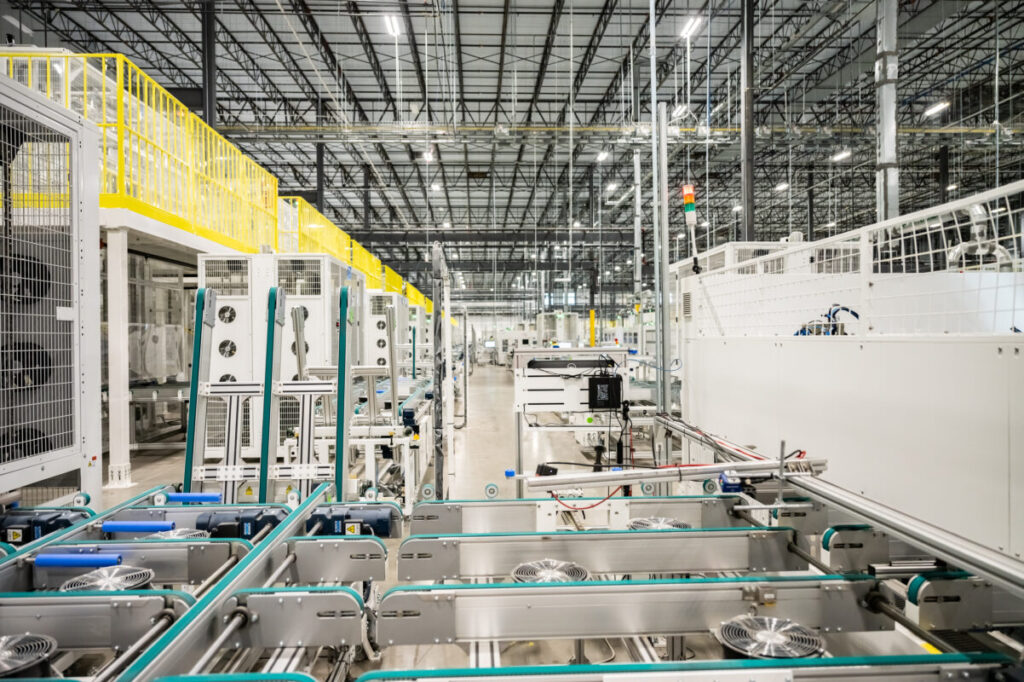
US solar manufacturer T1 Energy has started construction on the first phase of its cell manufacturing facility in Texas, which will add 2.1GW of cell manufacturing capacity to the US’ growing cell production sector.
The facility, G2 Austin, is a US$400-425 million investment, at which T1 expects to begin commercial operation by the end of 2026. T1 will produce tunnel oxide passivated contact (TOPCon) cells at the facility, and the company plans to expand the manufacturing capacity to 5.3GW through a second phase, and noted that this production figure “could be expanded if demand for cells increases”.
Try Premium for just $1
- Full premium access for the first month at only $1
- Converts to an annual rate after 30 days unless cancelled
- Cancel anytime during the trial period
Premium Benefits
- Expert industry analysis and interviews
- Digital access to PV Tech Power journal
- Exclusive event discounts
Or get the full Premium subscription right away
Or continue reading this article for free
Cells will be used in the construction of modules at T1’s G1 Dallas module manufacturing plant, which the company acquired from Trina Solar last December as part of its rebrand from Freyr Battery and its move from the battery sector to the solar manufacturing industry.
The company has already seen significant demand for its modules—selling 725MW of modules in the third quarter of this year, driving sales volume of US$200-210 million—and the addition of cell manufacturing will expand a production line that makes heavy use of US-based manufacturing.
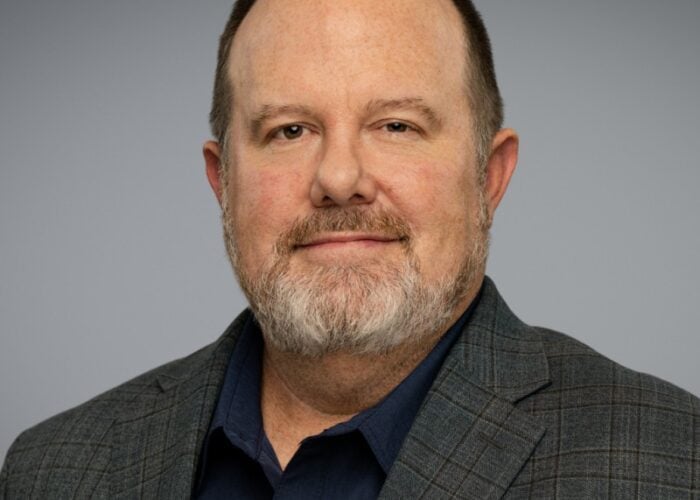
In August, T1 signed a supply deal with US ceramics and glass producer Corning to acquire polysilicon and wafers from the company and its subsidiary, Hemlock Semiconductor, from a manufacturing facility in Michigan. Then, in October, the company signed a deal to acquire steel module frames from US tracker manufacturer NEXTPower, then known as Nextracker, for use in its modules. T1 chairman and CEO Dan Barcelo said today that both deals, and the production of cells at the G2 Austin facility, would help deliver an “integrated US polysilicon solar supply chain”.
“Solar is the most scalable, reliable, and low-cost energy available today, and I look forward to the future of American solar running through Rockdale, Texas,” added Barcelo.
Building a domestic supply chain
The milestone is an important development for the US solar manufacturing industry, which has sought to bring online more capacity, particularly of wafers and cells, in recent months. T1 praised the Trump administration’s “pro-growth economic and trade policies”, likely referring to the wave of tariffs placed on imported goods and investigations into imports from Chinese-backed firms in an effort to stimulate domestic manufacturing.
This sentiment echoes comments made by T1 in July, when it said that the Department of Commerce’s (DOC’s) Section 232 investigation into polysilicon imports “will result in strengthening US energy security and boosting American advanced manufacturing”, by determining how polysilicon imports to the US should be affected by tariffs and other trade policies.
However, the lack of clarity on the Section 232 ruling has left many unanswered questions for the US solar manufacturing sector, particularly for polysilicon, as US module manufacturing capacity has grown much faster than polysilicon manufacturing capacity. Figures from Solar Media Market Research show that, by the end of 2025, the US is expected to lack 18GW of domestic polysilicon manufacturing capacity to meet its annual module manufacturing capacity, creating a gap that would have to be plugged by foreign imports, exactly the kind of imports that would be targeted by a strict Section 232 ruling.
For their part, T1’s partners expressed optimism today that the deals put in place with the company would help deliver a robust US solar supply chain.
“Corning is proud to supply G2 Austin with wafers that will power the next chapter in American-made solar technology,” said AB Ghosh, vice-president of solar at Corning, chairman and CEO of Hemlock Semiconductor.
“This is exactly the kind of investment in technology we hope to see continue in the US,” added Dan Shugar, founder and CEO of NEXTPower.